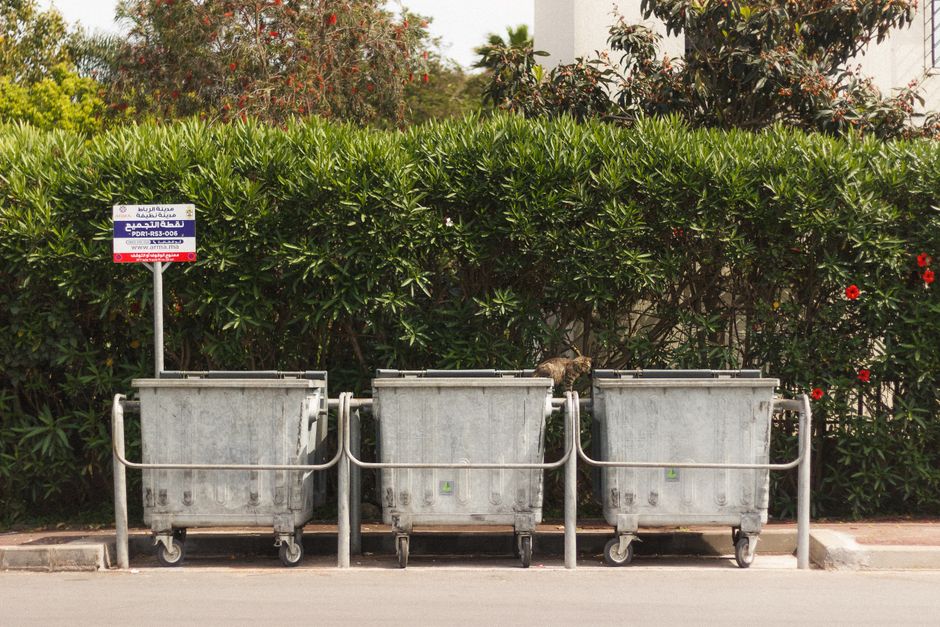
Goldhawk Road bulky waste pickup Shepherds Bush options: a practical guide for choosing the right service
If you are staring at an old sofa, a broken wardrobe, or a pile of renovation leftovers and thinking, "Right, how do I get rid of this without turning my front room into a storage unit?", you are in the right place. Goldhawk Road bulky waste pickup Shepherds Bush options can look simple at first glance, but once you factor in access, timing, item types, and what can legally be collected, the decision gets a bit more interesting. This guide breaks it down in plain English so you can choose the most sensible route for your home, flat, office, or trade job.
We will look at how bulky waste pickup works, where it makes sense, what to avoid, and how to compare your options without getting caught out by hidden restrictions. There are also practical checklists, a comparison table, and a real-world example to make the whole thing easier to picture.
Why Goldhawk Road bulky waste pickup Shepherds Bush options Matters
Bulky waste sounds straightforward until you are actually dealing with it. A single mattress is awkward enough; a two-seater sofa, a fridge, or a pile of builders' debris is a different story. In Shepherds Bush, and especially around busy stretches near Goldhawk Road, the issue is not just disposal. It is access, timing, loading space, and making sure the waste goes to the right place.
That matters for a few reasons. First, bulky waste left out too long can cause clutter, block access, and create a bit of tension in shared buildings. Second, the wrong disposal method can be inconvenient or, worse, non-compliant. Third, if you are paying for removal, you want a service that actually fits your load, your schedule, and the type of waste you have. No one wants to book the wrong thing and then discover the team can't take half the items. Bit of a headache, that.
For local residents, landlords, shop owners, and tradespeople, the right pickup option can save time and reduce disruption. It is particularly useful in mixed-use streets like Goldhawk Road, where homes, flats, offices, and small businesses all sit close together. One collection can be far easier than several trips to a disposal point, especially if you do not have a van or the time to haul heavy items yourself.
Practical takeaway: the best bulky waste solution is rarely the cheapest-looking one on paper. It is the one that handles your items safely, within the right timeframe, and without forcing you to do the heavy lifting twice.
How Goldhawk Road bulky waste pickup Shepherds Bush options Works
Most bulky waste pickup options follow the same basic pattern: you identify the items, check what can be collected, get a quote or collection slot, and arrange the pickup. The differences come down to how much you need removed, how quickly it must go, and whether the service is built for domestic loads, business loads, or mixed waste.
There are usually three broad approaches. A council-style collection is often suited to smaller domestic loads and can be practical if you are planning ahead. A private waste removal service is often more flexible, especially when you need same-day or next-day collection, help with heavy lifting, or removal from tight access. And then there is self-disposal, which can work if you already have a suitable vehicle and time on your hands.
In real life, the details matter. A staircase in a Victorian conversion, a narrow communal hallway, or a parking-restricted street can change the whole process. On a busy morning near Goldhawk Road, the ability to load quickly and keep disruption low is not a nice extra; it is often the main reason people choose a professional service.
Many households pair bulky waste clearance with other services. For example, if you are emptying a flat, you may also need flat clearance or house clearance. If the items are mainly old seating or tables, furniture disposal or furniture clearance may be a better fit. The more closely the service matches the load, the smoother the day tends to go.
Key Benefits and Practical Advantages
Choosing the right pickup option is about more than getting rid of things. Done well, it gives you back space, clarity, and a lot less frustration. And to be fair, getting a room back to normal can feel better than people expect. There is a little psychological lift in seeing the floor again.
- Less physical strain: heavy or awkward items are removed without risking injury on stairs, pavements, or tight corners.
- Faster turnaround: many removals can be arranged quickly, which is useful if you are moving out, refurbishing, or clearing a deadline.
- Better access management: experienced crews know how to work around narrow entrances and shared spaces.
- Clearer waste separation: a good service helps identify what can be reused, recycled, or disposed of appropriately.
- Reduced disruption: one organised collection is often easier than multiple car trips or piecemeal dumping.
There is also a trust angle. A professional provider should be able to explain what happens to the waste, how pricing is built, and whether special items need special handling. That is especially helpful if you are clearing a rental property or dealing with a mixed load that includes appliances, textiles, or office items.
If sustainability matters to you, it is worth looking at a provider's approach to reuse and recycling. The page on recycling and sustainability is a useful place to understand how responsible disposal should work in practice. It is not just a box-tick; it genuinely affects how much waste ends up being recovered rather than dumped.
Who This Is For and When It Makes Sense
This kind of pickup is for anyone with one or more large items that are awkward to move or unsuitable for normal household bins. The most common users are homeowners, tenants, landlords, estate agents, local businesses, and tradespeople. If that sounds broad, well, it is. Bulky waste is a broad category by nature.
Typical situations include:
- clearing out old furniture after a move
- disposing of a mattress or sofa that has seen better days
- emptying a garage, loft, or spare room
- removing appliance waste after a kitchen refresh
- clearing construction leftovers after small works
- dealing with office surplus such as desks, chairs, and filing furniture
It also makes sense when access is awkward. If you live in a flat above a shop, or if the items are on an upper floor without easy lift access, a specialist removal team can save you a lot of back-and-forth. In our experience, people often underestimate the effort until they are halfway down the stairs with an old wardrobe and realise, no, this was not the clever plan.
For businesses, a flexible pickup option can be useful when you need to keep the site tidy for staff or customers. If your waste is commercial in nature, a dedicated business waste removal service may be more suitable than a one-off domestic-style collection. That distinction matters more than people think.
Step-by-Step Guidance
Here is a simple way to approach the process without overcomplicating it.
- List what needs removing. Write down the items and be specific. "Old furniture" is too vague if one item is a sofa and another is a fridge.
- Separate standard bulky waste from special items. Mattresses, appliances, and anything hazardous may need different handling.
- Check access. Note staircases, lift availability, parking restrictions, and any tight corners. A useful quote depends on this.
- Decide how quickly you need it gone. Same-day, next-day, or flexible scheduling will shape your options.
- Ask how pricing works. Some services price by volume, some by item, and some by load type. Make sure you know what is included.
- Confirm what cannot be collected. This is where misunderstandings happen. Save yourself the surprise.
- Prepare the items. Move smaller objects out of the way, disconnect appliances safely, and make the path clear.
- Book the collection. Choose a time that matches building access, neighbours, and any parking constraints.
- Keep documentation. If you are a landlord or business owner, retain confirmation and any disposal records.
One small but helpful habit: take a quick photo of the items before pickup. It makes later discussions about load size or collection scope much easier. Nothing dramatic, just practical.
If you need a broader clearance rather than a one-off pickup, you might also look at home clearance or loft clearance. Those services are often the right fit when bulky items are only part of a larger decluttering job.
Expert Tips for Better Results
There are a few simple things that make bulky waste collection much easier, and they are mostly the boring bits. The boring bits matter.
- Measure the largest items first. Especially sofas, wardrobes, and appliances. Dimensions can change the removal plan.
- Be honest about the load. Understating what you have usually leads to delays or a revised quote. Best to be upfront.
- Keep fragile items separate. Glass, mirrors, and loose shelves can cause damage if mixed in with heavy furniture.
- Bundle similar waste together. A tidy pile is quicker to assess and quicker to remove.
- Think about timing around neighbours. Early morning or late evening collections can be awkward in shared buildings.
- Ask about special items in advance. Fridges, sofas, and some electricals may need different routing. It is better to ask than assume.
There is also value in matching the service to the item type. For example, a damaged fridge is not the same as a broken dining table. If appliances are involved, look into fridge and appliance removal. For bedding and lounge furniture, mattress and sofa disposal is often more appropriate. The more specific the service, the fewer surprises later.
A final tip: if your waste includes confidential papers from a home office or small business, do not mix them into a general bulky load. Use confidential shredding instead. It is a small step, but a worthwhile one.
Common Mistakes to Avoid
Most problems with bulky waste pickup come from assumptions. People assume the service can take anything. They assume access will be easy. They assume the cheapest option is automatically the best. Usually, that is where things wobble.
- Leaving items unidentified: "Some rubbish" is not enough detail for a proper quote.
- Forgetting restricted items: Certain materials need specific handling and may not be accepted in a general pickup.
- Not checking access: A van cannot magically hover. If parking is difficult, say so early.
- Choosing a service that is too small: Rebooking costs time and often money.
- Skipping the quote terms: Make sure you understand what is included and what is extra.
- Leaving the clearance to the last minute: Deadlines get tight quickly, especially around moves or refurbishments.
One more thing: if your project involves construction debris, do not assume a normal furniture or household pickup is enough. Builders' material often requires a different approach, which is why a builders waste clearance service can be the safer fit. It is a common mix-up, and an expensive one if it is discovered late.
Truth be told, the biggest mistake is usually trying to do too much yourself in one go. That sounds noble until your hallway is full and the car is too small. Then it becomes a Sunday afternoon puzzle nobody asked for.
Tools, Resources and Recommendations
You do not need a long list of gadgets to handle bulky waste well, but a few simple tools make the job smoother.
- Measuring tape: for confirming door widths, sofa lengths, and appliance sizes.
- Phone camera: for quick photos when requesting a quote or checking access.
- Marker labels or tape: useful if you are separating items for reuse, disposal, or donation.
- Basic protective gloves: sensible for moving sharp-edged or dusty items.
- Clear path markers: helpful in shared hallways or cluttered flats so the removal route stays obvious.
For guidance on what can and cannot go together, the page on what can go in a skip is a useful reference point even if you are not hiring a skip. It helps you think in terms of waste categories, which is often where good decisions start.
If you are comparing providers, look for evidence of strong operational standards as well. The pages on insurance and safety and health and safety policy are especially relevant when heavy lifting, stairs, or mixed waste streams are involved. You want a team that knows what it is doing, not just one that says it does.
For pricing questions, pricing and quotes can help set expectations. Clear pricing is a good sign. If a quote is vague in a way that makes you feel oddly uneasy, trust that instinct.
Law, Compliance, Standards, or Best Practice
Any bulky waste pickup should be handled with proper care around duty of care, safe handling, and responsible disposal. You do not need to become a waste-law expert overnight, but you should expect the provider to operate responsibly and to explain what happens to your waste.
In the UK, householders and businesses are both expected to use legitimate waste carriers and to avoid fly-tipping. That means checking that the waste is collected by a properly operating service and that the waste route makes sense for the items involved. For businesses, the expectations are more exacting because commercial waste brings record-keeping and separation responsibilities into play.
Best practice usually includes:
- clear identification of the waste type
- safe lifting and loading methods
- appropriate handling of electricals, sofas, mattresses, and mixed items
- recycling where feasible
- proper handling of any hazardous or sensitive materials
If you have hazardous materials, do not fold them into a standard collection. Use the dedicated hazardous waste disposal route. And if you are dealing with business records or paper-heavy clearances, keep confidential shredding separate from general waste. That is just common sense, really.
You should also check terms, payment, and complaint routes before booking. Those pages matter more than people expect: terms and conditions, payment and security, and complaints procedure all tell you something about how the business is run.
Options, Methods, or Comparison Table
Below is a simple comparison of the main ways people handle bulky waste around Goldhawk Road and Shepherds Bush.
| Option | Best for | Advantages | Potential downside |
|---|---|---|---|
| Private bulky waste pickup | Mixed items, awkward access, urgent jobs | Flexible, fast, hands-on loading support | Can cost more than basic disposal |
| Council-style collection | Smaller domestic loads planned in advance | Simple for limited items, often familiar process | Less flexible, stricter item rules, slower scheduling |
| Self-haul to a disposal point | People with access to a van and time | Hands-on control, useful for smaller manageable loads | Labour-heavy, parking and transport hassles, multiple trips |
| Specialist item removal | Fridges, sofas, mattresses, appliances | Right handling for the item type | Not ideal for mixed general waste |
The real choice usually comes down to convenience versus control. If you have one mattress and plenty of time, a simpler route may do. If you have a flat full of furniture, a narrow staircase, and a deadline tomorrow, a more flexible service is the better call.
If you are weighing this against a broader clearance project, you may find furniture clearance or office clearance more suitable than a one-item pickup. Matching the method to the load is half the battle.
Case Study or Real-World Example
Imagine a Shepherds Bush flat off Goldhawk Road after a tenant move-out. There is a sofa, two wardrobes, a broken desk, a mattress, and a small pile of misc bits from the airing cupboard. The hallway is narrow, the lift is too small for the wardrobe, and there is limited roadside parking. Pretty ordinary problem, honestly, but it catches people out all the time.
The first instinct might be to try and break everything down and move it in stages. That works in theory until the wardrobe does not fit through the door you thought it would fit through. A better approach is to list the load, check access, and book a pickup that can handle the heavy items in one visit. If the sofa and mattress are the main issue, combining mattress and sofa disposal with broader furniture removal is sensible. If the flat needs to be emptied more fully, a flat clearance service may save time overall.
The benefit is not just convenience. A coordinated removal reduces the number of times people have to walk through the communal area with bulky items. Neighbours appreciate that. Building managers do too. And the room? It goes from cluttered to usable in a single stretch of the day, which always feels a bit like getting your breath back.
That is the point of choosing the right option: less friction, fewer surprises, and a cleaner finish.
Practical Checklist
Use this before you book a pickup.
- Have I listed every bulky item clearly?
- Do any items need specialist handling, such as appliances or hazardous waste?
- Have I measured the largest pieces?
- Do I know whether access is easy, tight, or awkward?
- Have I checked where the vehicle can stop safely?
- Is the service suitable for domestic, commercial, or mixed waste?
- Do I understand the pricing basis and any extra charges?
- Have I separated confidential papers or sensitive materials?
- Do I need a broader clearance, such as home, house, garage, or office clearance?
- Have I read the terms and understood the complaints route if needed?
If you want a quick shortcut, start by comparing the load type and access. That alone rules out a lot of bad choices.
Get a free quote today and see how much you can save.
Conclusion
Goldhawk Road bulky waste pickup Shepherds Bush options are easiest to judge when you focus on the real-world details: what the items are, how awkward the access is, how quickly you need them gone, and whether the provider can handle the load properly. The most useful service is not always the most obvious one. Sometimes it is the one that quietly removes the stress as well as the rubbish.
If you are dealing with a single item, a small flat clearance, or a mixed load from a shop or office, the right approach can make the whole job feel far lighter. And that matters. Not just for the space you get back, but for the sense of order that returns with it.
Choose carefully, ask the right questions, and do not rush the decision. The messy bit will pass. The clean space after it stays with you.
Frequently Asked Questions
What counts as bulky waste on Goldhawk Road and in Shepherds Bush?
Bulky waste usually means large items that do not fit into normal bins, such as sofas, mattresses, wardrobes, tables, appliances, and similar household or commercial items.
Can one pickup handle mixed bulky items?
Often yes, but it depends on the provider and the waste type. Mixed loads are common, though special items may need separate handling or a different service.
Is bulky waste pickup better than hiring a skip?
It depends on the job. Pickup is often better for heavy items, awkward access, and faster removal. A skip can suit ongoing projects where you are filling waste yourself over time.
What should I do before the collection team arrives?
Clear the route, group the items together if possible, remove anything you want to keep, and make access as easy as you can. A tidy pickup area usually speeds things up.
Do I need to dismantle furniture first?
Not always. Some items can be taken whole. If dismantling helps with access, it can be useful, but do not force it if the item is heavy or awkward.
What if my items include a fridge or appliance?
Appliances usually need specific handling, so it is better to book a service that clearly covers appliance removal rather than assuming a general pickup will do.
Are mattresses and sofas treated differently?
They can be. These items often have their own disposal route, which is why it helps to use a service that mentions them specifically.
Can businesses in Shepherds Bush use bulky waste pickup too?
Yes. Offices, shops, and other businesses often need bulky waste removed, especially when replacing furniture, clearing stock rooms, or refurbishing premises.
How do I know if the price is fair?
Look for clear pricing based on load size, item type, and access conditions. A fair quote should be understandable without guesswork. If the quote feels vague, ask for clarification.
What happens to the waste after collection?
That depends on the provider and the waste stream. Good practice is to sort items for reuse, recycling, or responsible disposal wherever possible.
What if I have confidential papers mixed in with the waste?
Keep them separate and use confidential shredding instead of putting them into a general bulky waste load. It is the safer and more sensible approach.
Should I choose a clearance service or a general waste removal service?
If you are removing a few large items, general waste removal may be enough. If you are clearing a room, flat, garage, loft, or office, a dedicated clearance service is often the better fit.
How far in advance should I book?
As soon as you know what needs to go. Some jobs are flexible, but urgent collections are easier to arrange when the load details are ready. Planning ahead always helps.
What is the safest way to prepare heavy items?
Do not drag or lift things alone if they are too heavy. Make the route clear, keep fingers away from pinch points, and let trained removal staff handle the load where possible.