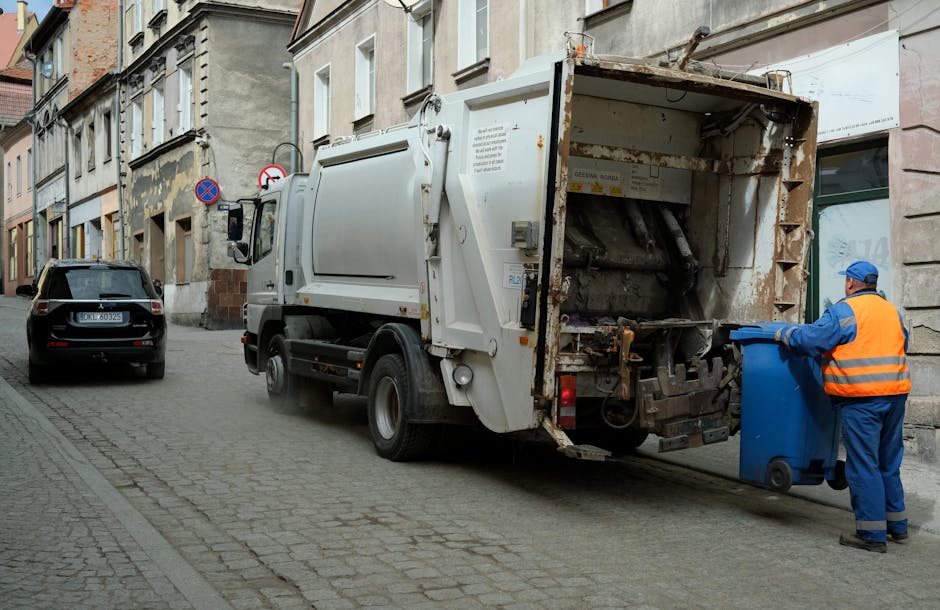
Rubbish removal near Westfield Shepherds Bush guide
If you are trying to clear unwanted waste near Westfield Shepherds Bush, you probably want something simple: a fast collection, no fuss on the day, and the confidence that everything is handled properly. This Rubbish removal near Westfield Shepherds Bush guide walks you through what to expect, how the process works, what to avoid, and how to choose the right service for your situation. Whether you are clearing a flat, tidying a shop unit, dealing with renovation debris, or just sick of staring at a stubborn pile of junk by the front door, the same basic question applies: what is the easiest, safest way to get it gone?
Let's face it, rubbish has a habit of growing quietly in the corner until one day it feels like it has taken over the room. The good news is that local waste removal does not have to be complicated. With a sensible plan, a clear idea of what can be taken, and a decent understanding of pricing and compliance, you can make the whole job much easier on yourself.
This guide keeps things practical. It explains the service in plain English, gives you a step-by-step process, and highlights the little details that can save time, money, and stress. If you want a broader overview of waste collection services, you can also look at waste removal for the core service structure, and if the job is tied to a move or property clear-out, flat clearance or house clearance may be more relevant.
Table of Contents
- Why this guide matters
- How rubbish removal works
- Key benefits and practical advantages
- Who needs this service and when it makes sense
- Step-by-step guidance
- Expert tips for better results
- Common mistakes to avoid
- Tools, resources and recommendations
- Law, compliance, standards and best practice
- Options and comparison table
- Real-world example
- Practical checklist
- Conclusion
- Frequently asked questions
Why Rubbish removal near Westfield Shepherds Bush guide Matters
Westfield Shepherds Bush is a busy part of London, with apartments, shops, offices, delivery traffic, and constant movement. That matters because waste does not sit still for long here. Bags left out too early can get in the way. Bulky items can make access awkward. And if you are dealing with waste near a retail or residential building, timing becomes a real issue.
A good rubbish removal service is not just about lifting items into a van. It is about planning around tight access, avoiding disruption, and dealing with mixed waste in a way that is sensible and legal. In practical terms, that could mean removing old furniture from a second-floor flat, clearing builder's rubble after a refit, or taking away bagged household waste that is too much for normal bins.
The location also shapes expectations. In busy urban streets, people often need collections outside standard working hours, or at least collections that are quick and tidy. Nobody wants a hallway full of dust, a lift blocked by a mattress, or a pile of broken materials sitting around for the weekend. That's the kind of thing that turns a small job into a real nuisance.
Expert summary: the best local rubbish removal is the one that fits the space you actually have, the time window you can work with, and the type of waste you need gone. Fast is useful, but organised is better.
It also matters because different waste types need different handling. General junk, office waste, garden cuttings, appliances, and construction debris are not all treated the same. If you choose the wrong approach, you may pay more than necessary or end up with items that need re-sorting later. For specialist situations, pages like builders waste clearance, office clearance, and garden clearance can be helpful starting points.
How Rubbish removal near Westfield Shepherds Bush guide Works
Most rubbish removal jobs follow a fairly simple pattern. You describe the waste, the provider estimates the load, a collection time is agreed, and the team arrives to load everything and take it away. The exact steps vary, but the basic idea is usually the same: save you the lifting, the van hire, and the multiple trips.
In many cases, the process starts with a photo or a brief description. A single room of mixed clutter is very different from a half-filled garage or a pile of broken furniture. Be specific where you can. Say whether the items are upstairs, whether there is lift access, whether parking is awkward, and whether any items are heavy or awkwardly shaped. That one bit of clarity can make all the difference.
Collections are typically handled by a team who loads the waste directly. That is one of the biggest differences between rubbish removal and a skip. With a skip, you load it yourself and keep it on site. With rubbish removal, the team does the lifting, which is ideal for flats, busy streets, or jobs where you do not want a large container outside for days. If you are trying to understand what can go into a skip versus what is better collected, the page on what can go in a skip is a useful reference.
There is also a practical side to how the waste is sorted. A good provider will separate reusable, recyclable, and residual waste where possible. That does not mean every item gets a new life, of course. But it does mean a better chance of responsible disposal, which is something most customers care about once they have got past the initial panic of the mess. And fair enough.
For some jobs, special handling is needed. Fridges, freezers, and other appliances often require separate treatment. Similarly, certain items may fall under hazardous waste rules and cannot simply be bundled into general rubbish. If that is part of your job, look at fridge and appliance removal or hazardous waste disposal before booking.
Key Benefits and Practical Advantages
The obvious benefit is speed. Rubbish removal can clear a space in one visit, which is especially useful when you are working to a deadline. Maybe you are handing back keys, getting a flat ready for inspection, or making space for builders. In those cases, waiting around for a slow build-up of smaller collections is rarely practical.
Another benefit is convenience. If you have ever tried to move a wardrobe down a narrow staircase or wrestle a broken washing machine through a shared entrance, you will know that convenience is not a small thing. It is the thing. You save energy, reduce the chance of damage, and avoid the awkward business of finding a suitable vehicle.
There is also the cleaner handover. In a busy area near Westfield Shepherds Bush, many people simply need a place restored to normal quickly. Rubbish removal helps with that. The floor gets cleared. The clutter disappears. The room starts to feel usable again. A small change, maybe, but a very real one.
From a decision-making point of view, the service can also be more flexible than some alternatives. You can use it for:
- single bulky items
- mixed household junk
- bagged rubbish
- furniture and fixtures
- post-renovation waste
- garage, loft, or shed clear-outs
If your waste includes old sofas, wardrobes, or beds, there are dedicated options such as mattress and sofa disposal and furniture disposal. That can be more efficient than treating everything as generic rubbish.
Who This Is For and When It Makes Sense
This guide is useful for anyone who has waste that is too bulky, too mixed, or too much for normal bin collections. That includes homeowners, tenants, landlords, letting agents, shop managers, office teams, and tradespeople. Truth be told, the reasons vary, but the pain point is usually the same: the space needs clearing and the clock is ticking.
If you are a tenant moving out of a flat near Shepherds Bush, rubbish removal can help you avoid last-minute stress. If you are a landlord dealing with an end-of-tenancy clear-out, it can save time between occupants. If you run a business, it may help keep customer areas tidy and safe, especially if you need a one-off collection of packaging, shelving, old stock, or office clutter.
It also makes sense when you do not want a skip. Not every property has room for one, and not every street is suitable. A skip can be useful, but if you need a flexible, labour-included collection, rubbish removal is often the better fit. For commercial premises, business waste removal and confidential shredding may be more suitable depending on the type of material.
A small example: imagine a cafe clearing old chairs, a broken fridge, and several bags of packaging after a refit. That is not really a skip problem, not on a cramped London street. It is a collection problem, and one best handled in a way that gets everything gone in a single sweep.
Step-by-Step Guidance
Here is the simplest way to approach rubbish removal without overthinking it.
- Identify what needs removing. Walk through the space and list the items or piles. Separate general waste, bulky items, and anything that looks special or restricted.
- Check access. Note stairs, lifts, parking, loading space, and any time restrictions. If access is tight, mention it early.
- Decide what stays and what goes. It sounds obvious, but in a stressful clear-out you can end up throwing away things you meant to keep. Happens all the time.
- Gather photos if useful. A few quick pictures help the provider judge volume and waste type more accurately.
- Ask for a clear quote. Make sure you understand what the price includes, such as labour, loading, disposal, and any minimum charge.
- Prepare the waste where possible. Bag loose rubbish, group items together, and keep walkways clear.
- Confirm any special items. Appliances, mattresses, electricals, or hazardous materials should be flagged in advance.
- Be ready on the day. If the crew cannot access a building or items are not ready, the job can take longer. That is usually where avoidable costs creep in.
If you are doing a broader home tidy-up, related services like home clearance, loft clearance, and garage clearance can often be combined into one more efficient visit.
One useful habit: keep a small "maybe" pile. If you are not sure whether something should be disposed of, pause before putting it into the main load. That five-minute delay can save you a lot of regret later. And yes, everybody has at least one drawer like that.
Expert Tips for Better Results
First, be exact about volume. Waste is often priced by load size or space used in the vehicle, so vague descriptions can lead to awkward surprises. "A few bits of rubbish" might mean three bin bags to you and a half-van to someone else. Better to say "six bin bags, one dismantled desk, one mattress, and a small shelf unit." Much clearer.
Second, keep the job grouped. A neat pile near the entrance usually helps the crew work faster. It sounds minor, but walking back and forth through a cluttered flat wastes time. If there are stairs, a narrow hallway, or a shared entrance, tidy staging makes the day smoother.
Third, ask about recycling and sorting. A responsible operator should be able to explain how waste is handled in broad terms. You do not need a lecture. Just a sensible answer. If sustainability matters to you, review the company's approach to recycling and sustainability before booking.
Fourth, use service-specific pages if the waste is unusual. Builders' rubble is different from garden cuttings, and office paper is different from broken chairs. The more closely the service matches the material, the better the result tends to be. A practical example: a landlord with old sofas and white goods would usually be better off splitting the job across mattress and sofa disposal and fridge and appliance removal rather than describing everything as "general junk."
And one more thing. Ask about insurance and safety. Not because you expect problems, but because busy buildings can be awkward. Lifts, walls, floors, and stairwells all deserve a bit of care. If a provider can explain how they protect the property, that is a good sign. Insurance and safety matters more than people think, especially in shared buildings.
Common Mistakes to Avoid
The biggest mistake is leaving the quote too vague. If you underdescribe the job, the price may need adjusting on arrival. That is frustrating for everyone, and completely avoidable.
Another common slip is mixing restricted items into a general pile. Hazardous waste, certain electricals, and appliances can require separate handling. If in doubt, ask first. Do not hope for the best and then act surprised when it becomes complicated. That never ends well.
People also forget about access. A van can only help if it can get close enough. If there is no parking space or the building has strict access times, tell the provider in advance. It may change the route, the crew size, or the timing. Better that than a wasted journey.
There is also the temptation to choose purely on price. Cheap is fine if it is genuine value. But if the quote leaves out labour, disposal, or special item handling, the "cheap" job gets expensive fast. Not a great feeling. Ask what is included and compare properly.
Finally, do not assume every waste problem needs the same solution. A tidy home clear-out, an office reset, and post-builders rubble all need slightly different planning. That is why pages like office clearance and builders waste clearance can be more useful than a generic one-size-fits-all approach.
Tools, Resources and Recommendations
You do not need a lot of tools for rubbish removal, but a few simple items make life easier.
- Heavy-duty bin bags for loose waste and broken-down items
- Gloves for dusty, sharp, or awkward materials
- Labels or tape to mark what stays and what goes
- Phone camera for quick photos when requesting a quote
- Trolley or sack truck if you are moving items before the crew arrives
- Protective coverings for floors if items are dragging through the property
Useful website pages can help you understand the service before booking. For pricing expectations, see pricing and quotes. For bookings, there is book online. If you want to know more about the company's background and approach, about us is the natural place to start.
There are also situations where a different disposal route is worth considering. For example, if you have to clear a lot of loose rubbish plus a few bulky items, a mixed service can be more efficient than arranging separate collections. If the job includes a garage, shed, or overfilled storage space, then home clearance or garage clearance may suit the job better.
Law, Compliance, Standards, or Best Practice
Waste handling in the UK is not something to treat casually. You do not need to become a compliance expert to book a collection, but you should understand the basics.
First, waste must be managed responsibly and transferred to an authorised operator. That is standard good practice. You should also expect clear communication about what happens to your waste and how items are sorted or disposed of. If a provider cannot explain its process in a straightforward way, that is worth pausing over.
Second, special waste types need special care. Hazardous materials, electrical appliances, and items with contamination risk should be flagged rather than hidden in the pile. If you are unsure, ask before the day of collection. The safest route is usually the simplest one.
Third, businesses have extra responsibilities around office waste, confidential materials, and general housekeeping. A shop or office should avoid blocking fire exits, storing waste in a way that creates a hazard, or leaving items where customers and staff may trip over them. If shredded paperwork is part of the picture, confidential shredding may be the right companion service.
For the customer, the best practice is simple:
- describe the waste accurately
- separate obvious restricted items
- ask what the service includes
- confirm access and timing
- keep written confirmation where helpful
That last point sounds dull, but it can save a headache later. A basic quote message or booking summary is often enough.
Options, Methods, or Comparison Table
Here is a simple comparison of common ways to clear rubbish near Westfield Shepherds Bush. The right choice depends on the type of waste, the amount involved, and the access you have.
| Method | Best for | Main advantage | Potential drawback |
|---|---|---|---|
| Rubbish removal collection | Mixed junk, bulky items, quick clear-outs | Labour included; fast and convenient | Price depends on volume and access |
| Skip hire | Longer projects, predictable waste streams | Good for ongoing work | Needs space and self-loading |
| Specialist clearance | Items like furniture, appliances, office waste | Better match for the waste type | May need more specific planning |
| DIY disposal | Small amounts and simple loads | Full control | Time-consuming and physically demanding |
If you are still deciding, a simple rule helps: if the waste is awkward, heavy, time-sensitive, or in a building with poor access, collection-based rubbish removal usually wins. If it is a long project with plenty of space, other methods can make sense. The answer is not always one thing. A bit annoying, maybe, but true.
Case Study or Real-World Example
Picture a rented flat a short walk from Westfield Shepherds Bush. The tenants have moved out, the landlord wants it ready for viewings, and the property contains a tired sofa, a broken chest of drawers, several bags of mixed clutter, and an old microwave. Nothing extreme. Just enough to be awkward.
The first instinct might be to leave it all for later, but the viewing schedule is already fixed. So the process becomes simple: group the waste, separate the appliance, take a few photos, and arrange a collection. On the day, the team loads the items, checks the route through the building, and clears the space without leaving the hallway looking like a storm passed through. Small job, big relief.
What made the difference?
- The waste was described clearly from the start
- The landlord confirmed access details early
- Bulky items were grouped together
- The appliance was flagged before collection
It sounds almost too simple, but that is the point. The smoothest rubbish removal jobs are usually the ones that are planned just enough. No drama, no mystery, no last-minute scrambling in the doorway with a wobbling cupboard. We have all seen that scene, and nobody enjoys it.
Practical Checklist
Use this checklist before booking rubbish removal near Westfield Shepherds Bush.
- List all items that need removing
- Separate general waste from special items
- Check whether anything is hazardous or restricted
- Take photos of the load if it helps with quoting
- Note stairs, lifts, parking, and access limits
- Clear a path from the waste to the exit
- Confirm whether labour, loading, and disposal are included
- Ask about recycling or reuse where relevant
- Keep valuables and important documents out of the clear-out zone
- Make sure someone is available at the agreed time
Quick takeaway: the more clearly you define the job before the collection, the smoother and usually cheaper it is on the day.
Get a free quote today and see how much you can save.
Conclusion
Rubbish removal near Westfield Shepherds Bush is all about making a busy, awkward task feel manageable. The best results come from a clear description of the waste, honest access details, and a service that fits the job rather than forcing the job to fit the service. That is the real trick.
If you are clearing a flat, office, house, garage, or mixed load of bulky waste, the right approach will save time and keep the process calm. You do not need to overcomplicate it. Just plan it properly, ask the right questions, and choose a provider that understands urban collections, not just the rubbish itself.
And once it is all gone, the room always looks bigger than you remember. Nice feeling, that.
Frequently Asked Questions
What is included in rubbish removal near Westfield Shepherds Bush?
Most rubbish removal services include loading, transport, and disposal of agreed waste. Depending on the provider, they may also include labour for moving items from inside a property, which is especially helpful in flats or busy buildings.
Is rubbish removal better than hiring a skip?
It depends on the job. Rubbish removal is usually better for bulky items, mixed waste, and properties with limited space. Skip hire can suit longer projects where you are happy to load the waste yourself. For many London properties, collection-based removal is simply easier.
Can I get same-day rubbish removal?
Sometimes, yes. Same-day service depends on availability, the size of the job, and access. If you need urgent collection, explain that clearly when enquiring so the provider can tell you what is realistic.
What rubbish can usually be collected?
Common items include bagged waste, furniture, household clutter, office items, garden waste, and some construction debris. Items such as appliances or hazardous materials may need separate handling, so always check first.
How do I prepare for a rubbish collection?
Group items together, keep access clear, and identify anything special in advance. If possible, send photos and explain whether the waste is upstairs, in a garage, or behind a locked entrance. Clear details save time for everyone.
What happens to my rubbish after collection?
It is typically taken for sorting, recycling, and responsible disposal. The exact route depends on the waste type. If sustainability matters to you, ask how items are handled and look at the company's recycling approach before booking.
Do I need to be there when the rubbish is collected?
Usually, yes, especially if access is through a building or if the crew needs to confirm what is being taken. Some arrangements can be made in advance, but it is best to check rather than assume.
How is rubbish removal priced?
Pricing is commonly based on volume, waste type, access, and any special handling needed. A clear description or photos usually help produce a more accurate quote. Be wary of prices that sound too neat without explaining what is included.
Can old furniture and appliances be removed together?
Often, yes, but appliances may need separate handling. Furniture disposal and appliance removal can sometimes be arranged as part of the same visit if the provider accepts both waste types.
Is it safe to put hazardous waste in a general rubbish pile?
No. Hazardous waste should be identified separately and handled under the appropriate process. If you think your load includes anything risky, it is better to ask in advance than to guess on the day.
What if I am clearing a business or office near Westfield Shepherds Bush?
For commercial waste, a business-focused service is usually the best route. Office clearances often include desks, chairs, filing, packaging, and sometimes confidential materials. Pages like business waste removal and office clearance are useful starting points.
How can I avoid extra charges?
Give accurate details, confirm access, and flag special items early. Most surprise charges come from missing information rather than from the job itself. A few honest minutes up front can save money later.