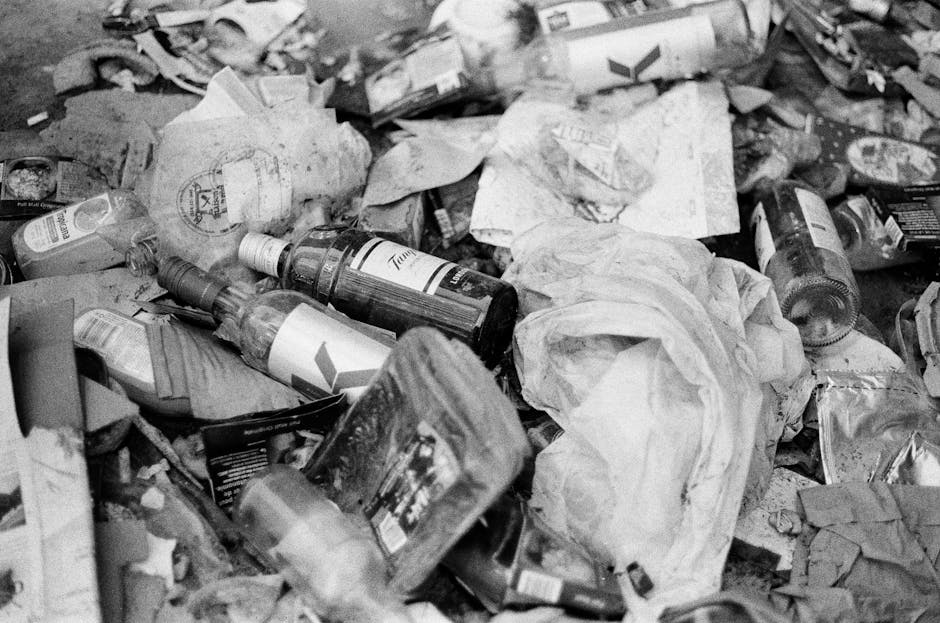
Shepherds Bush Market rubbish collection tips for traders
If you trade at Shepherds Bush Market, rubbish can turn into a daily headache very quickly. A cardboard box left behind, a bag of mixed waste tucked under a table, a broken crate leaning against a stall wall - it doesn't take much before things start looking untidy, smelling a bit off, and getting in the way of customers. These Shepherds Bush Market rubbish collection tips for traders are built to help you stay on top of waste without wasting time, money, or goodwill.
The aim here is simple: keep your pitch cleaner, safer, and easier to work in. That means smarter sorting, better timing, fewer fly-tipping risks, and a collection routine that suits a busy London market rather than a generic one-size-fits-all plan. You'll also find practical guidance on compliance, common mistakes, and the kind of small improvements that make a surprisingly big difference by the end of a long trading day.
Expert summary: The best rubbish plan for market traders is usually the one that is simple, consistent, and easy to follow under pressure. If your system depends on everyone remembering a dozen steps during the Saturday rush, it will probably fall apart. Keep it clear, keep it repeatable.
Table of Contents
- Why Shepherds Bush Market rubbish collection tips for traders Matters
- How Shepherds Bush Market rubbish collection tips for traders Works
- Key Benefits and Practical Advantages
- Who This Is For and When It Makes Sense
- Step-by-Step Guidance
- Expert Tips for Better Results
- Common Mistakes to Avoid
- Tools, Resources and Recommendations
- Law, Compliance, Standards, or Best Practice
- Options, Methods, or Comparison Table
- Case Study or Real-World Example
- Practical Checklist
- Conclusion
- Frequently Asked Questions
Why Shepherds Bush Market rubbish collection tips for traders Matters
Market trading is fast-moving. There's setup, customer service, stock handling, deliveries, packing away, and then, somehow, the waste still has to disappear. If it doesn't, it sits there. And once it sits there for long enough, it starts creating problems that go beyond simple mess.
At Shepherds Bush Market, cleanliness affects more than appearances. It affects access, safety, and how professional your stall feels to passers-by. A tidy pitch suggests care. A chaotic one can make customers hesitate, especially if they are carrying food, browsing fabrics, or moving through a narrow walkway where every bin bag feels like an obstacle.
Truth be told, rubbish collection is one of those jobs that seems minor until it isn't. One damp cardboard pile after a wet morning can become slippery mush. One overflowing bag can attract pests. One awkwardly placed crate can block a neighbour's pitch, and that's the sort of thing nobody wants before lunchtime.
There is also the hidden cost of inefficiency. If waste is not separated properly, you may pay more to clear it. If it is left too late, you may end up doing a rushed clear-up at the worst possible time. And if the waste includes items that need special handling, such as appliances or potentially hazardous materials, the consequences can be more serious still.
For traders, good rubbish handling is not just tidiness. It's part of trading well. It helps protect your stall, your stock, your staff, and your reputation.
How Shepherds Bush Market rubbish collection tips for traders Works
In practical terms, rubbish collection for traders works best when it follows a simple rhythm: reduce waste at source, sort what remains, store it safely, and remove it on a regular schedule. That sounds obvious. In a busy market, though, obvious is not always easy.
The process usually starts before the stall even opens. Traders can cut waste by choosing less packaging, reusing boxes where appropriate, and breaking down delivery materials immediately rather than letting them pile up. Then, during trading hours, waste should be separated into sensible streams such as cardboard, food waste, general rubbish, and any specialist items that need separate handling.
At the end of the day, waste should be gathered in a controlled way. Bags should be tied, sharp items secured, liquids contained, and anything reusable or recyclable kept separate. If you are using a collection service, consistency matters. The collector needs to know what they are collecting, where it is stored, and when it will be ready. Simple, but very effective.
Some traders also build waste handling into their stall layout. For example, a rear corner for flattened boxes, a lidded bin for food waste, and a clearly marked sack area for general rubbish. That kind of layout saves time because staff do not need to think. They just do it.
If your business has mixed waste from different trading activities, it can help to think in terms of streams rather than "rubbish" as one big lump. That mindset alone often improves everything. It's a small shift, but a useful one.
Key Benefits and Practical Advantages
There are obvious benefits to cleaner waste handling, and a few less obvious ones too. The obvious ones are neatness, fewer smells, and less clutter. The less obvious ones can be even more valuable over time.
- Faster pack-down at the end of trading: A planned rubbish system shortens the time spent clearing the stall.
- Better customer impression: People notice when a market pitch feels organised and cared for.
- Reduced trip and slip risks: Loose packaging, wet waste, and overfilled bags are all avoidable hazards.
- More efficient recycling: Separated materials are easier to reuse or recycle.
- Lower chance of waste overflow: Regular collection stops bags and boxes from drifting into walkways.
- Less stress for staff: A clear routine means fewer last-minute scrambles.
There is also a commercial angle. Traders often work in close quarters, and one stall's waste can affect nearby businesses. If your pitch is tidy, it helps the wider market atmosphere. That matters more than people sometimes admit. Nobody wants to shop next to a corner that looks neglected.
And let's face it, a cleaner stall is often a calmer stall. The work feels less frantic when your waste is already under control.
Who This Is For and When It Makes Sense
These rubbish collection tips are relevant to almost any trader at Shepherds Bush Market, but they are especially useful if your stall generates regular packaging, food scraps, damaged stock, or display waste. That covers a lot of ground: clothing stalls, food traders, small retail businesses, and anyone handling deliveries on a tight turnaround.
You may find this especially helpful if:
- you set up and pack down daily or several times a week;
- you receive stock in cardboard, film wrap, pallets, or mixed packaging;
- you generate food waste or spill-prone rubbish;
- you share storage space and need to keep things orderly;
- you want to reduce collection costs by separating waste better;
- you've had issues with overflow, odour, or pests before;
- you need to keep staff safer around busy walkways.
It also makes sense when your business is changing. Maybe you've expanded, taken on more stock, or added a new product line. That's usually the point where a "we'll sort it later" approach stops working. Waste suddenly grows faster than expected. A bit annoying, really, but very normal.
If your setup is seasonal, the same advice still applies. Peak weeks, events, and warmer weather can all change the waste picture. A summer day with food waste behaves differently from a dry winter day with mostly cardboard. Adjust for that, and your stall will run more smoothly.
Step-by-Step Guidance
A good rubbish routine does not need to be complicated. In fact, if it is too complicated, people will ignore it. Here is a practical step-by-step way to set one up.
- Map your waste types. Write down what your stall usually throws away: cardboard, plastic wrap, food waste, damaged stock, old displays, bottles, soft packaging, and anything specialist.
- Separate at source. Put containers where waste naturally appears. That might mean a box cutter station for packaging, a food bin near prep areas, or a sack point behind the counter.
- Flatten and compact. Cardboard takes up far more room when it is left whole. Flattening boxes straight away saves space instantly.
- Store safely. Keep waste out of customer routes and away from items that can be damaged by moisture, heat, or contamination.
- Schedule collection. Decide whether waste should leave daily, several times a week, or after specific trading patterns.
- Review what's left behind. At the end of the week, check which waste stream caused the most trouble. Often it's packaging, not general rubbish.
- Improve one thing at a time. A better bin, a clearer label, or a more regular collection point can make the whole system easier.
A useful trick is to treat rubbish collection like stock control. If you wait until bins are full, you are already behind. If you empty them on a rhythm, even if they look "not quite full yet," the whole process becomes less stressful.
That's the tidy version. The real version? Someone will still leave a half-empty coffee cup somewhere odd. But a good system absorbs the small messes before they turn into larger ones.
Expert Tips for Better Results
After you've done this a few times, the pattern becomes clear. The traders who stay on top of waste are not usually the ones with the fanciest setup. They are the ones with habits that stick.
1. Use labels that people can actually understand
Labels should be short and direct. "Cardboard only," "food waste," and "general rubbish" are clearer than long instructions that nobody reads when it's busy. If staff have to pause and decode the sign, the sign is too clever.
2. Put the right bin where the waste happens
People will not walk across a pitch to dispose of one wrapper. They'll drop it where they are standing. So place bins near the action: packing areas, serving points, and back-of-stall loading zones.
3. Keep wet waste separate if you can
Wet waste makes everything worse. It smells faster, leaks faster, and can spoil recyclable materials. Even a small amount of liquid can turn a neat pile into a soggy nuisance by mid-afternoon.
4. Train new staff quickly and plainly
Don't rely on memory alone. Show new staff the waste routine in person, then repeat it once. That one minute of guidance can save a lot of confusion later. Honestly, it often needs saying twice anyway.
5. Plan for the end-of-day rush
Most waste mistakes happen when people are tired and in a hurry. Set a clear final check: bags tied, cardboard flattened, liquids emptied where appropriate, and the floor clear of loose debris. Simple routine, big payoff.
6. Watch the weather
Rain changes everything in London. Cardboard softens, bags get heavier, and surfaces get slick. On damp days, waste needs a little more protection and a little less delay. You will notice the difference immediately.
7. Keep a tiny buffer
If your collection cycle is tight, leave a bit of extra capacity. Not much. Just enough to handle one unexpectedly busy day without overflowing. It's a small comfort, but a real one.
These are not dramatic changes. They're the kind that quietly make a stall easier to run, which is usually what traders want most.
Common Mistakes to Avoid
Most rubbish problems are not caused by one huge error. They come from lots of small ones. And once the pattern starts, it gets messy fast.
- Leaving cardboard unflattened: It fills space far too quickly and blocks walkways.
- Mixing recyclables with general waste: Once everything is thrown together, sorting becomes harder and slower.
- Overfilling bags: Heavy bags split. Splits make litter. Litter makes more work.
- Storing waste near stock: This can cause contamination and unpleasant smells, especially with food or soft goods.
- Ignoring spill-prone items: Liquid residue, sticky packaging, and broken containers are easy to overlook.
- Waiting until the end of the week: That approach often creates a bigger job than expected.
- Using the wrong disposal route for specialist waste: Some items need specific handling, so it's worth checking before you bundle them into the general pile.
One of the more common slips is assuming waste is "only temporary" and therefore harmless. But temporary clutter has a habit of becoming permanent if no one owns it. That's where a clear system helps.
If you've ever finished a shift and thought, "Where did all this come from?", you're not alone. That's the market reality. The trick is not to avoid waste entirely - impossible - but to stay ahead of it.
Tools, Resources and Recommendations
You do not need a warehouse full of kit to manage rubbish well. A few sensible tools can do most of the heavy lifting.
- Heavy-duty sacks: Useful for general waste and easy to move when tied properly.
- Flattening tools or box cutters: Helpful for breaking down cardboard quickly and safely.
- Lidded bins: Better for smell control and for keeping waste contained.
- Clear labels: A cheap but effective way to reduce confusion.
- Protective gloves: Practical when handling mixed waste or broken packaging.
- Simple storage crates: Handy for separating recyclable materials from general rubbish.
- Collection schedule notes: A paper checklist or phone reminder often works better than memory.
If you need broader support with waste handling, it can help to look at business-focused services such as business waste removal or more general waste removal when you want a cleaner, faster clear-out of accumulated rubbish.
For traders with more specific waste streams, specialist pages can also be useful. If you deal with old fixtures, damaged stock, or end-of-line furniture, the guidance on furniture disposal and furniture clearance may be relevant. For electricals and cold units, fridge and appliance removal can help you think through the safer route.
It is also worth reviewing the site's recycling and sustainability guidance if you want to build a more responsible waste routine over time. Not glamorous, no. But useful.
Law, Compliance, Standards, or Best Practice
When traders talk about rubbish, compliance can sound a bit formal, but it matters. In the UK, businesses are expected to handle waste responsibly, and that means understanding what you are putting out, who is collecting it, and whether anything requires special treatment. You do not need to be a legal expert to stay on the right side of best practice, but you do need a sensible process.
For market traders, a few broad principles are especially relevant. Waste should not be left to obstruct public areas. It should be stored safely and removed regularly. Recyclable materials should be separated where practical. And anything that could be considered hazardous, contaminated, or specialist in nature should be treated with care rather than lumped in with everyday rubbish.
If your trading activity produces sensitive paper waste, a dedicated shredding solution may be more appropriate. The service information on confidential shredding is useful for traders who handle customer records, supplier paperwork, or other private documents.
For anything that may be hazardous, do not guess. Items like chemicals, contaminated materials, or certain electrical components need proper assessment. The page on hazardous waste disposal is a sensible starting point when waste is outside normal day-to-day rubbish.
It is also wise to make sure your team understands the practical side of safety. The website's health and safety policy and insurance and safety information are useful reference points when you want to keep waste handling straightforward and low-risk.
Best practice, in plain English, means this: don't mix waste streams without thinking, don't leave sharp or heavy items loose, and don't let rubbish become a blocking point. That's the core of it.
Options, Methods, or Comparison Table
Different traders manage rubbish in different ways. There isn't one perfect method, but there is usually one method that fits your stall better than the others. Here's a simple comparison to help you think it through.
| Method | Best for | Pros | Watch-outs |
|---|---|---|---|
| Daily small-bag collection | Stalls with steady, light waste | Easy to control, less overflow, simple routines | Can become inefficient if waste volume suddenly grows |
| Separated waste streams | Traders with cardboard, recyclables, and general waste | Cleaner results, better recycling potential, often tidier | Needs clear labelling and staff discipline |
| Periodic bulk removal | Stalls with larger clear-outs or seasonal stock changes | Good for big resets and awkward items | Can create clutter if left too long between collections |
| Specialist collection for certain items | Traders with appliances, confidential paper, or hazardous waste | Safer handling of problem waste, better peace of mind | Needs advance planning and correct sorting |
If you are dealing with a larger clear-up after a refit, stock change, or unit tidy, it may be more appropriate to look at builders waste clearance for heavier debris, or even office clearance if your trading space includes admin areas, storage, or back-office items.
For traders who only need to understand what can safely go into a load or a disposal container, the guide on what can go in a skip is a practical reference point. It is not the same as market waste collection, of course, but the sorting mindset carries over nicely.
Case Study or Real-World Example
Picture a small market trader who sells packaged goods and a few display items. By mid-morning, there's cardboard from deliveries, plastic wrap from stock, a couple of damaged boxes, and general litter from serving customers. On a busy day, waste is easy to ignore because trading comes first. Fair enough. But by afternoon, the rear of the stall starts to crowd up.
Before long, the trader is spending ten minutes trying to make room behind the counter, and the waste bags are getting in the way of restocking. One wet box then lands against a pile of packaging, which makes everything harder to handle. The stall still functions, but it feels cramped and slightly stressful.
Now imagine the same trader after a simple change. Cardboard is flattened immediately. A small bin is placed beside the unpacking area. General waste is bagged in manageable amounts. The end-of-day clear-down takes less time, and the stall opens cleaner the next morning. Nothing dramatic happened. No miracle. Just a more orderly routine.
That kind of improvement is easy to underestimate because it looks small from the outside. But after a week or two, it changes the tone of the whole working day. Less clutter. Fewer last-minute panics. Better flow. And when customers step up to browse, the stall feels ready for them.
Practical Checklist
Use this checklist before, during, and after trading to keep rubbish under control.
- Flatten cardboard as soon as boxes are emptied.
- Keep general waste, recyclables, and specialist items separate.
- Use lidded bins where smell or spill risk is higher.
- Place waste points close to where rubbish is actually created.
- Make sure bags are tied securely before moving them.
- Keep waste away from stock, food prep, and customer paths.
- Check for sharp edges, broken packaging, or spillages before pack-down.
- Remove waste on a regular schedule rather than waiting too long.
- Review whether any waste needs a specialist route.
- Train new staff on the stall's waste routine straight away.
If you can tick those off most days, you're already ahead of the game. Simple as that.
Get a free quote today and see how much you can save.
Conclusion
Good rubbish collection at Shepherds Bush Market is not about perfection. It's about staying organised enough that waste never gets a chance to run the day. For traders, that means clearer spaces, safer movement, easier pack-downs, and a pitch that feels more professional to everyone who walks by.
The best approach is usually the simplest one: sort waste early, store it safely, remove it regularly, and keep specialist items separate. If you build that habit into the rhythm of trading, it stops feeling like an extra chore. It just becomes part of how the stall works.
And that, honestly, is what makes the biggest difference. A market pitch with a clean working space is easier to manage, easier to trust, and a bit nicer to stand in on a damp London morning.
Frequently Asked Questions
How often should traders collect rubbish at Shepherds Bush Market?
It depends on your stall type and waste volume, but regular collection is usually better than waiting for bins to overflow. Many traders benefit from a daily clear-down, with extra removals during busy periods.
What is the best way to reduce rubbish at a market stall?
Reduce packaging where possible, flatten boxes immediately, reuse suitable containers, and separate waste at source. Small habits make the biggest difference over time.
Can market traders mix cardboard with general waste?
They can, but it is usually a bad idea from a practical point of view. Mixing cardboard with general waste makes recycling harder and takes up more space than necessary.
What should traders do with wet or food waste?
Wet and food waste should be kept contained in suitable bins or bags and removed promptly. It helps to keep it away from cardboard and other recyclable materials.
How can a trader stop rubbish smelling during the day?
Use lidded containers where appropriate, separate wet waste, and avoid leaving food waste sitting too long. In warmer weather, a faster removal cycle can help a lot.
What are the most common rubbish mistakes traders make?
The biggest mistakes are waiting too long, mixing waste streams, overfilling bags, and letting clutter build up behind the stall. None of them are dramatic on their own, but together they create problems.
Do traders need special disposal for broken appliances or electrical items?
Often, yes. Appliances and electricals can require more careful handling than ordinary waste. If you have items like that, it is worth checking a specialist route rather than assuming they can go with general rubbish.
How do rubbish collection tips help with trader safety?
Cleaner spaces reduce trip hazards, lower the chance of spills, and make it easier for staff to move safely around the stall. Safety and tidiness are closely linked, even if people treat them separately.
Is it worth separating waste at a small stall?
Yes, usually. Even a small stall can benefit from separating cardboard, general rubbish, and specialist waste. It tends to save time and reduce mess, which is a fair trade.
What should traders do with confidential paperwork?
Confidential paperwork should not be put in ordinary waste if it contains sensitive information. A secure shredding route is a better option for keeping business records handled properly.
How can traders manage rubbish on rainy days?
Keep cardboard and bags protected where possible, avoid leaving waste exposed, and move removals forward if the weather is making materials soggy. Wet waste is simply harder to handle, no way around it.
Where can traders get help with larger or mixed waste clearances?
If the waste is bigger than your usual daily rubbish, a business waste service or a more specialist clearance option may be more suitable. It depends on the type and volume of waste, as well as how quickly it needs removing.
Keeping waste under control is one of those quiet habits that makes trading feel smoother day after day. Do that well, and the rest of the shift tends to breathe a little easier.